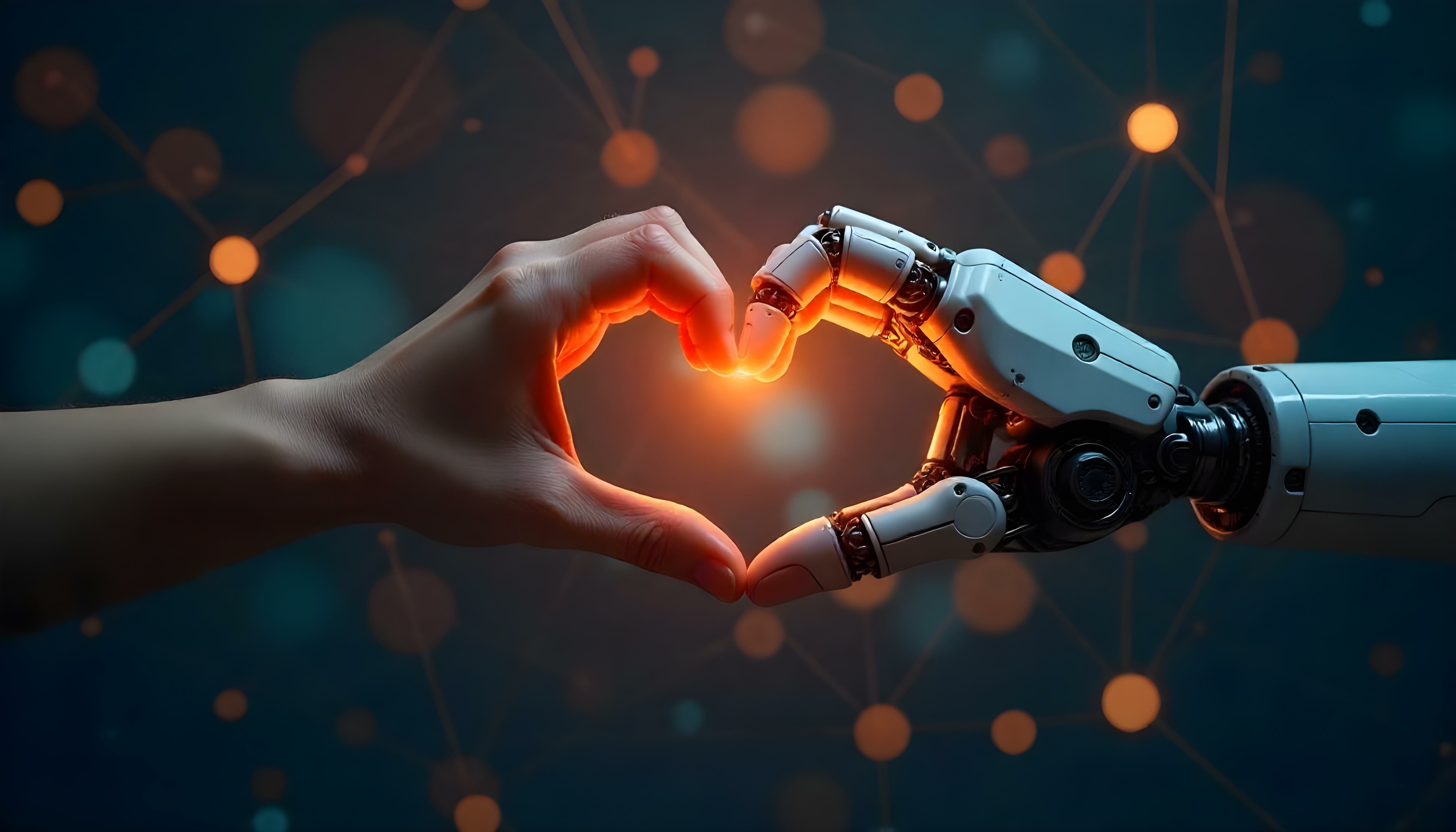
It feels like everyone is asking the same thing these days: Will AI replace me?
I hear it constantly, from other designers, from clients, even from friends outside the industry. And I get it. Tools like MidJourney, ChatGPT, Canva’s “Magic Design” and hundreds of other AI plug-ins make it seem as if the creative process itself is being automated.
But here’s my answer, as a creative director who works with brands day in and day out: AI’s not taking my job anytime soon. And if you’re a designer who gets what this profession is really all about, it won’t be taking yours.
⸻
The Big Misunderstanding About Design
Much of this anxiety stems from a simple confusion about what design is. Too many people — including some clients and junior designers themselves — believe that design is mere decoration. They see the output: beautiful layouts, color palettes, sleek logos, and engaging social media graphics. And, of course, how it looks matters. But they are just the visible tip of the iceberg. And what most people don’t notice is all the stuff that’s underneath it that makes those visuals resonate and be effective.
Design isn’t about making something look nice. Design is about solving problems. It’s really about understanding humans, their needs, fears, motivations, and goals and forming experiences to cater to those. It’s asking the right questions before jumping to solutions. The challenge is translating messy business goals into something people actually want to use.
When I work with clients, I’m not just displaying them color palettes. I’m hearing about their goals and limitations. I’m understanding their brand’s promise. I’m researching their audience, their competitors, where they sit in the industry. I am trying to cobble together some clarity out of their message when even the messengers may not be quite sure what they’re trying to say. And I’m aiding their team in rallying around a vision—often when marketing, sales, product, and leadership all have competing agendas.
That is design.
⸻
The Work You Don’t See
Designers do research. We interview users and stakeholders. We analyze competitors. We craft creative briefs to create clarity and focus. We chart trips, pinpoint pain points, and reimagine better ways of serving people. We prototype and test things to see what works and what doesn’t work. We mediate. We do workshops on surfacing assumptions. We negotiate between competing priorities. We tell stories that help teams to see their customers with fresh eyes.
We make tough decisions, because design isn’t about pleasing everyone, it’s about serving a tangible need.
And, sure, in the end, we make the visuals, too: the layouts, the colors, the typography, the interactions. But only because of the strategy, the empathy, and the problem solving that preceded them.
⸻
Where AI Fits In — and Where It Doesn’t
AI is an amazing tool. I use it myself. It can help brainstorm variations. It can be more efficient for repetitive production. It produces moodboards in a matter of seconds. But AI doesn’t get your client’s brand. It doesn’t understand who it is their audience and what their real pain points are. It doesn’t understand the nuance inherent in a brand’s tone or the context in which their message will land.
It can’t stop its wheels from spinning when it tries to drive across a room full of stakeholders with conflicting agendas. It can’t say no if a request doesn’t benefit the user. It can’t invent solutions when the brief is broken. It has no sense of ethics. Nothing to consider when you don’t do it just because it’s easy.
And above all—it can’t empathize. Because it is not human, and because it doesn’t give a damn about humans.
⸻
The Human Element
Design is fundamentally human. It’s one person’s attempt to get inside another person’s problem and offer a solution that actually fits.
It takes listening intently, and sometimes between or behind the words that people speak. It requires cultural awareness. It requires you to predict how something will land — not what people will think, but how it will make them feel — and course-correct.
It’s about building trust. It’s about more than just taking orders from your client, but rather actively and genuinely helping them succeed.
AI can generate outputs. But it can’t build relationships. It can’t be a partner.
⸻
A Wake-Up Call for Designers
If your notion of design entails selecting colors from a dropdown, and laying out text in a template, and doing exactly what’s in the brief and nothing more — then yes, AI may replace that.
But if you see design as a strategic, empathetic, problem-solving discipline that starts with understanding human needs and reconciling divergent points of view: It’s not going anywhere.
In reality, the need for actual design will increase as AI here makes it easier for us all to make more content, not better one either.
⸻
Closing Thoughts
AI will change how we work. This will make the execution faster. It will help us explore more ideas more quickly. It will force us to raise our own game, too. But it won’t supplant the heart of what designers do: Listening, and questioning, and understanding, and translating, and ultimately building experiences that make sense for real people.
Because ultimately, design is about humans solving problems for humans.
And it’s not a capability that, on its own, AI possesses.
⸻
If you’re a designer, strategist, or marketer yourself, I’d love to hear your take. How are you incorporating AI into your work? Where do you see its limits? Let’s keep the conversation going.